
HEP@IITK
Research
The group's work spans three overlapping subgroups. Collaboration across them — theory feeding searches, experiment sharpening models — is actively encouraged.
String Theory
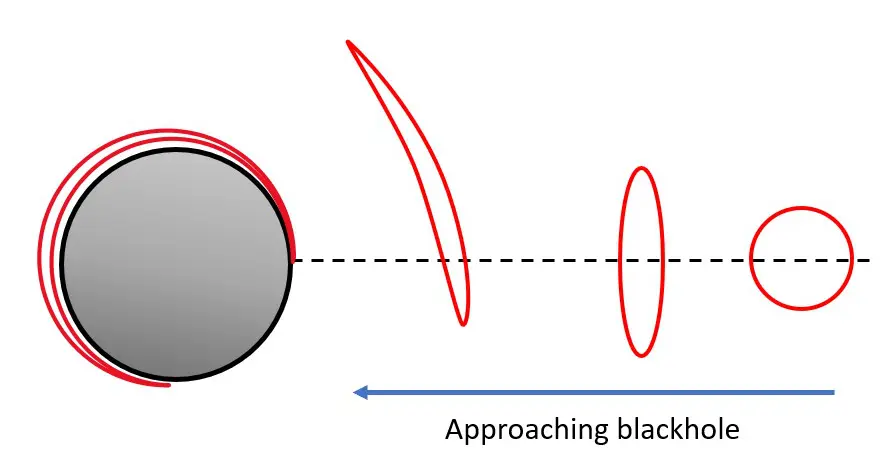
We study quantum gravity and strongly coupled quantum systems: holography, black holes and their horizons, entanglement and islands, and Carrollian physics with tensionless strings. The conformal bootstrap and periodically driven systems link this work to statistical and condensed-matter physics. Recent work ranges from the scattering of null strings and holography in flat space to islands in braneworlds, Floquet conformal field theories, and stars torn apart by black holes and wormholes.
- Tensionless (null) strings
- Holography & AdS/CFT
- Black holes & horizons
- Entanglement & islands
- Carrollian holography
- Conformal bootstrap
- Floquet & non-equilibrium dynamics
- Quantum chaos & thermalisation
- Tidal disruption & wormholes
-
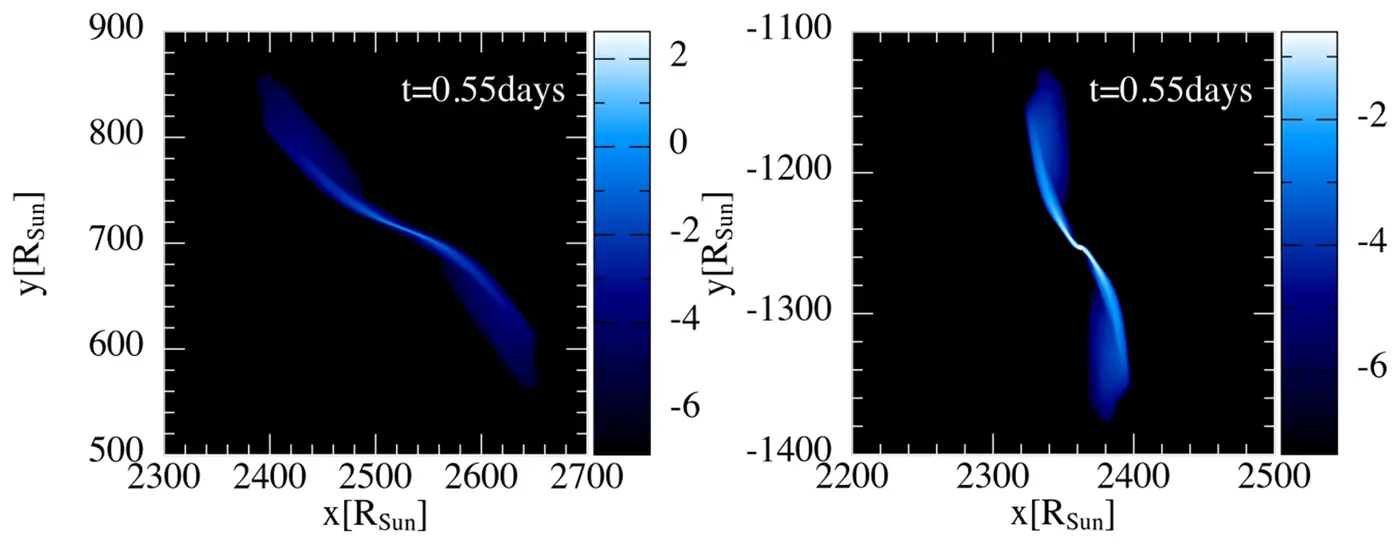
Relativistic Tidal Disruption in Black Hole and Wormhole Backgrounds arXiv:2603.26442 -
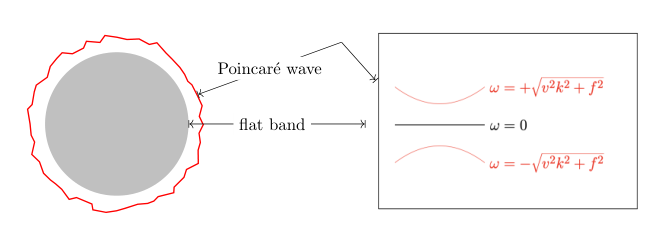
Carroll in Shallow Water arXiv:2411.04190 -
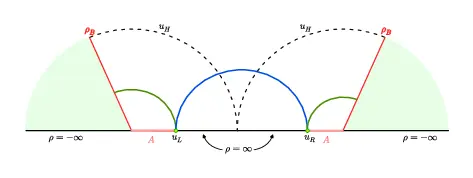
Reflected entropy in BCFTs on a black hole background arXiv:2311.17023 -
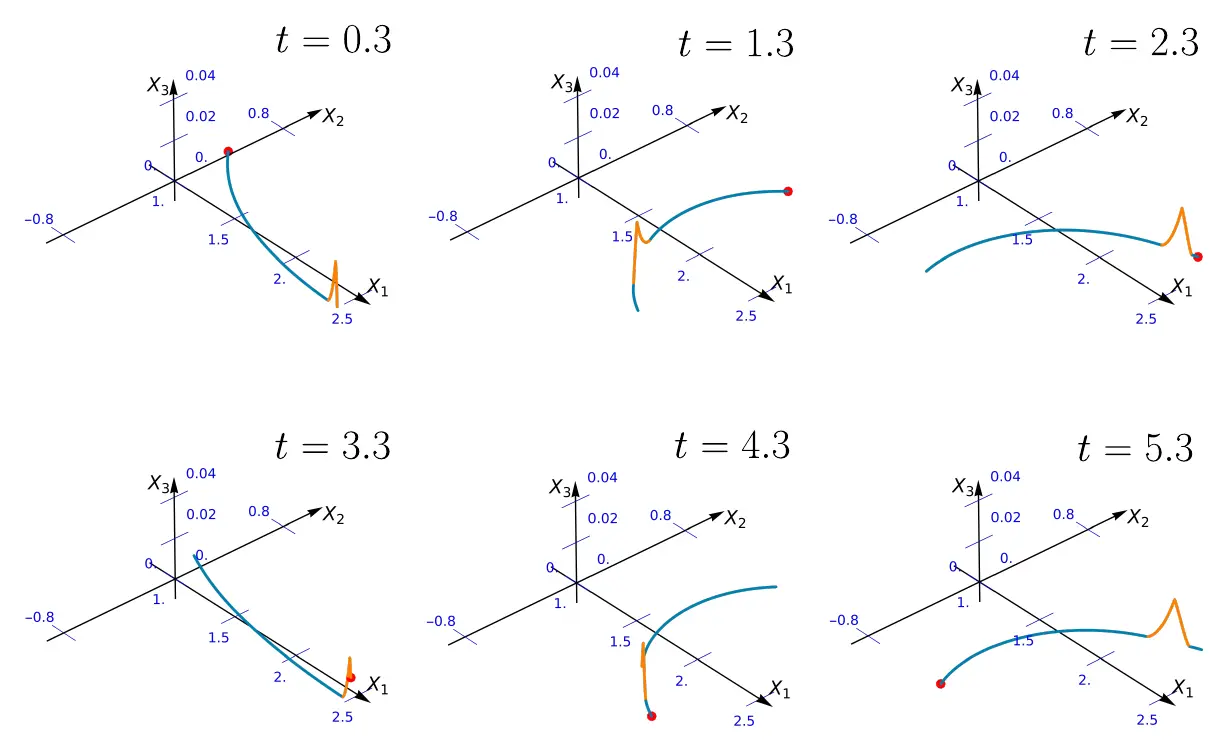
Classical string profile for a class of DDF amplitudes arXiv:2506.23974 -
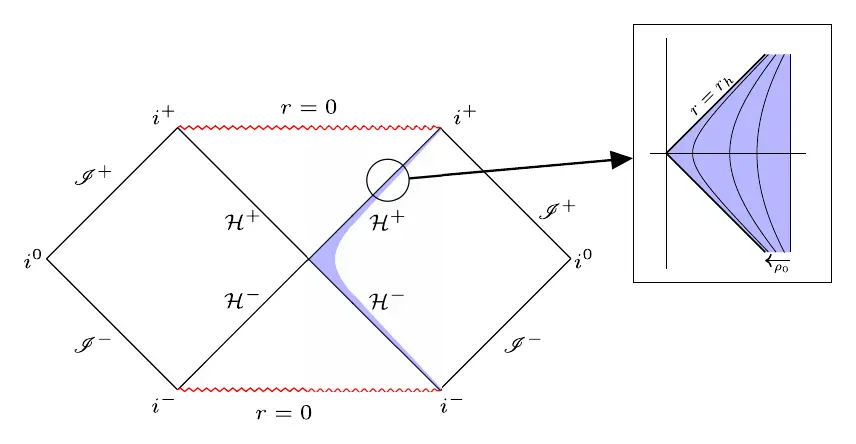
Black hole Near Horizons through the Looking Glass arXiv:2602.20267 -
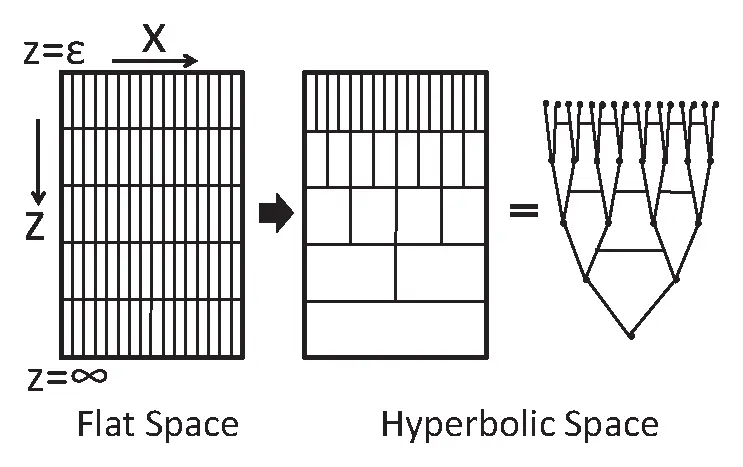
Anti-de Sitter Space from Optimization of Path Integrals in Conformal Field Theories arXiv:1703.00456 -
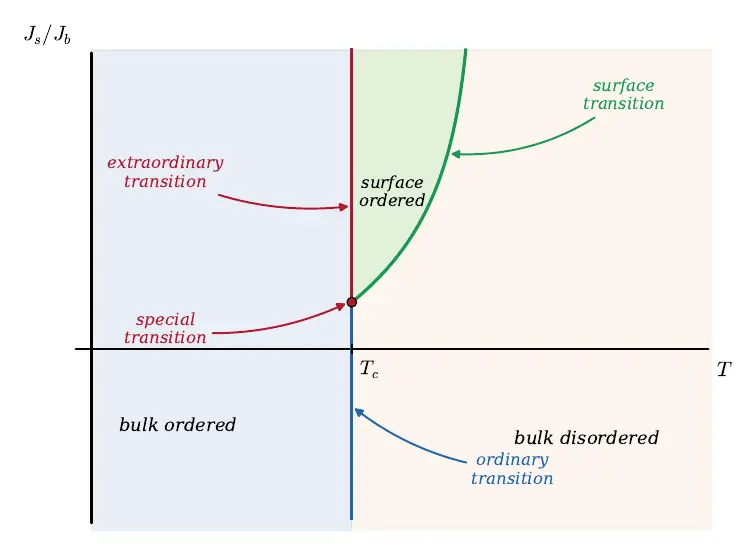
Truncated Polyakov bootstrap for BCFTs: Neumann-Dirichlet flow and Ising special transition arXiv:2609.07841 -
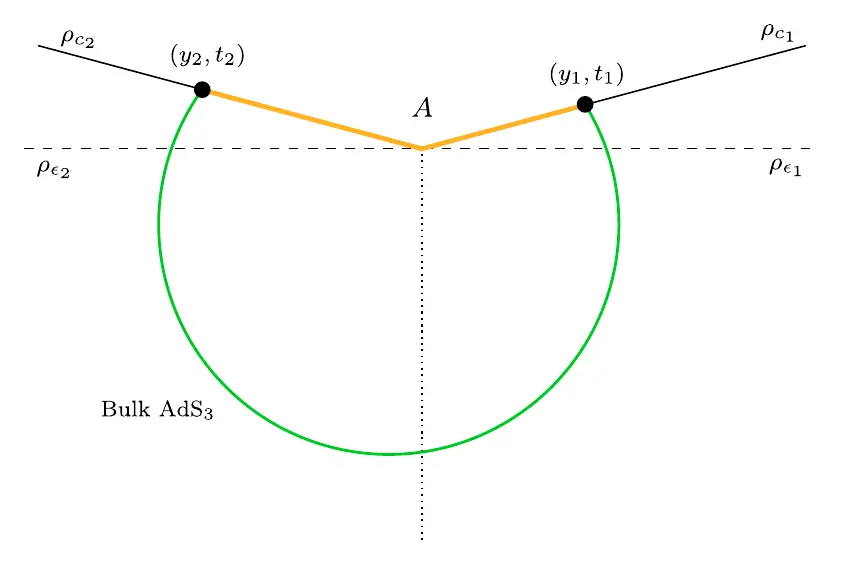
Holographic Entanglement Entropy in Janus deformed AdS3 Geometries arXiv:2512.06374 -
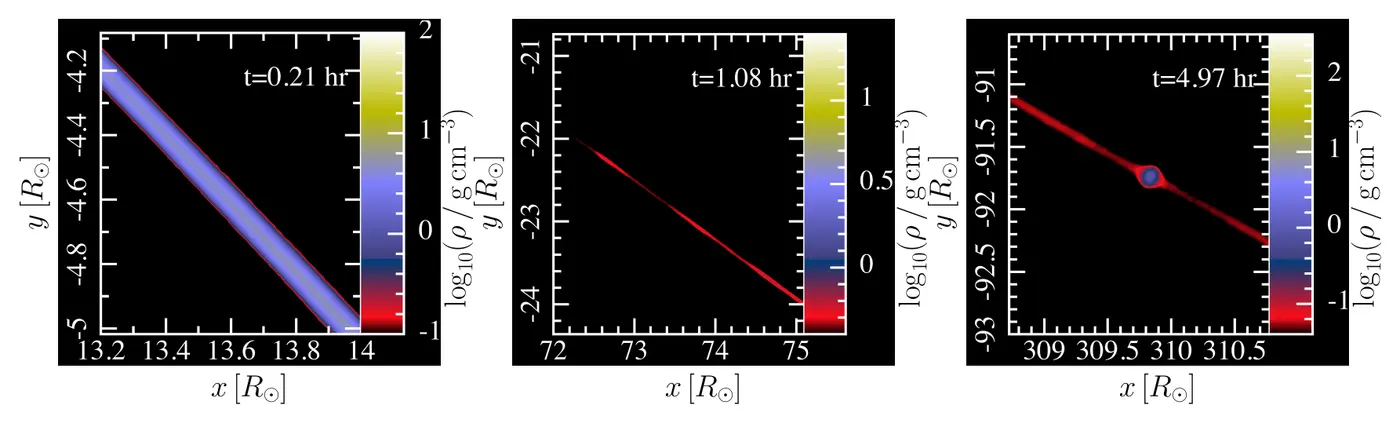
Tidal disruptions of close white dwarf binaries by intermediate mass black holes arXiv:2508.03463 -
The Tensionless Lives of Null Strings arXiv:2601.20959
Faculty in this area
- Arjun
- Apratim
- Diptarka
- Gautam
- Nilay
- Tapobrata
Particle Theory
We build and test extensions of the Standard Model with effective field theory, and follow them into the early universe: phase transitions and the gravitational waves they leave, dark matter, axions and inflation. We also map the inner structure of the proton with light-front QCD. Much of this work sits where theory meets data: which models survive precision measurements at the LHC and in flavour physics, and what signals they would leave in gravitational-wave detectors, supernovae and the sky.
- Beyond the Standard Model
- Effective field theory
- Phase transitions & gravitational waves
- Dark matter & cosmology
- Axions
- Proton structure (light-front QCD)
- Inflation & compact objects
- Flavour & neutrino physics
- Collider phenomenology
-
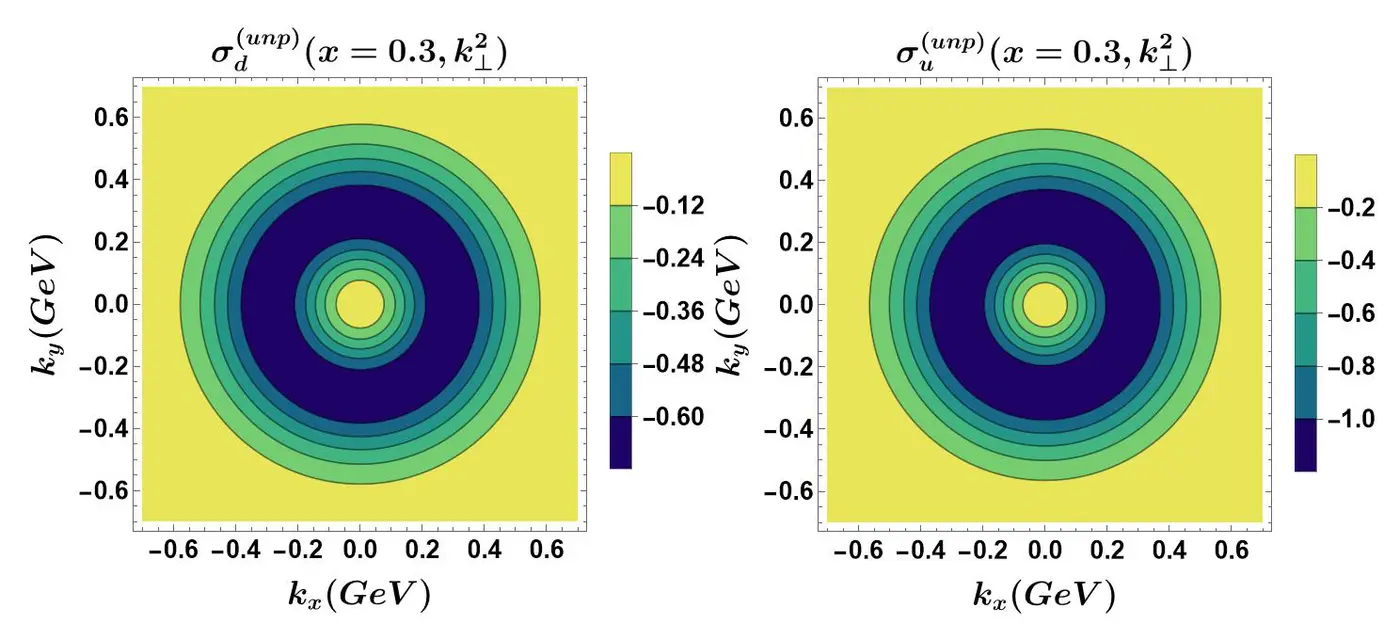
Gravitational transverse momentum distribution of proton arXiv:2604.03832 -
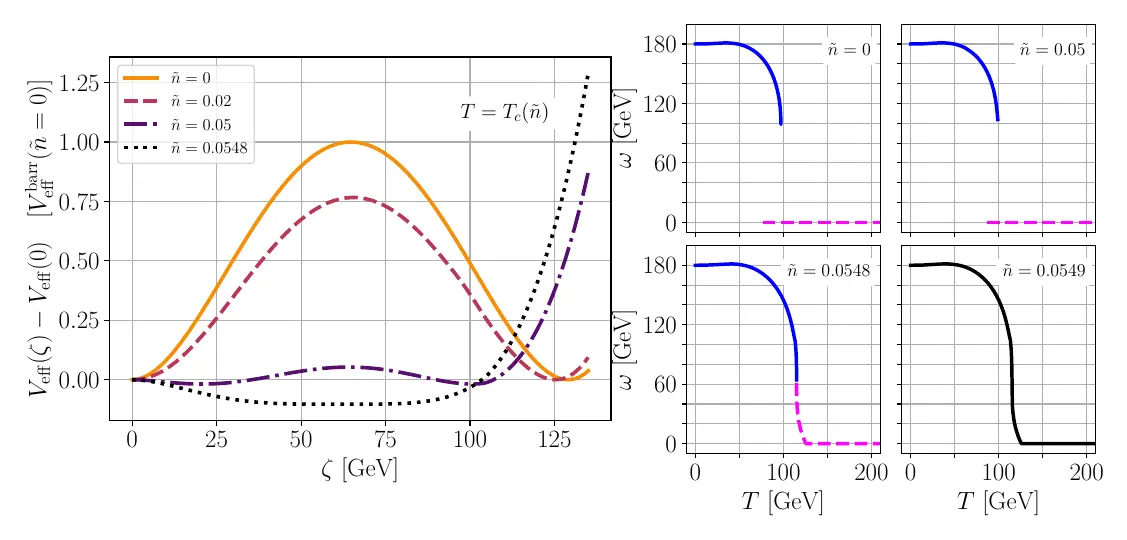
Polyakov Loops Tame Phase Transitions arXiv:2607.06203 -
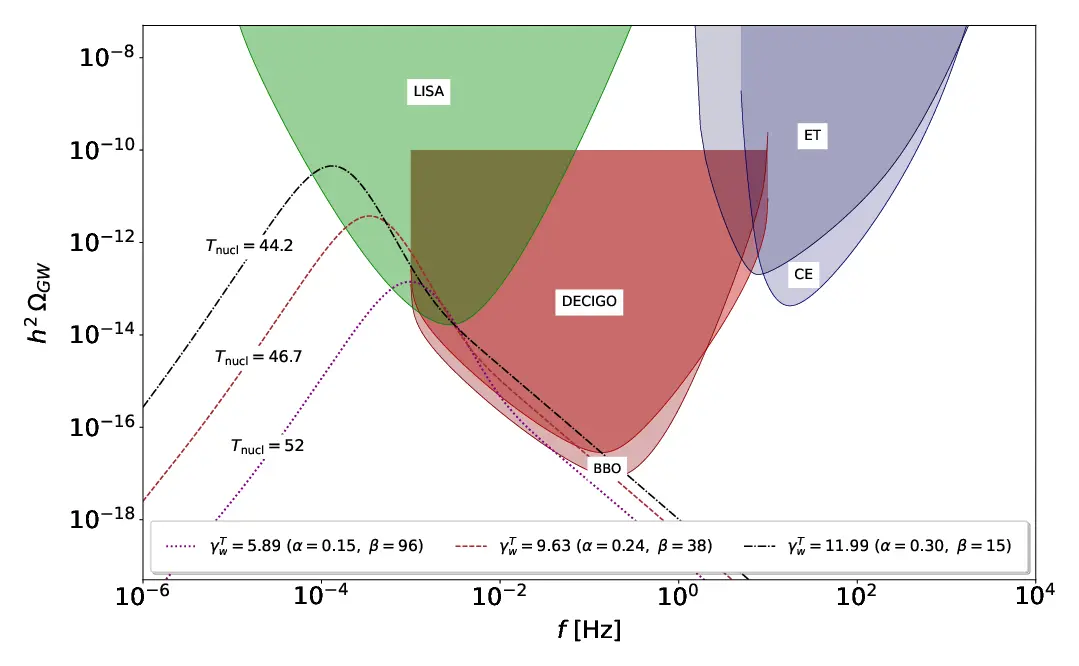
Feasibility of ultrarelativistic bubbles in SMEFT arXiv:2402.02914 -
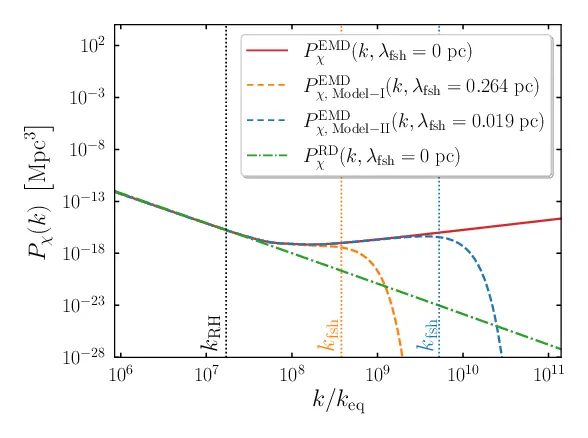
Dark matter cooling during early matter-domination boosts sub-earth halos arXiv:2408.08360 -
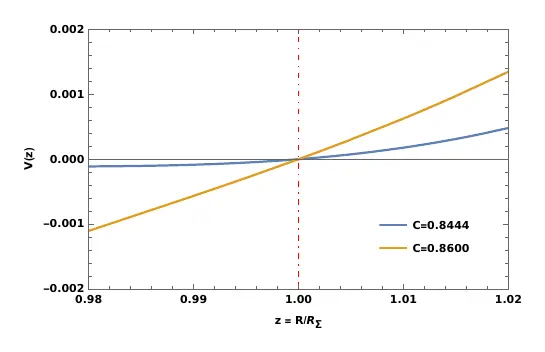
A Potential Black Hole Mimicker From Non-Minimal Coupling arXiv:2606.19291 -
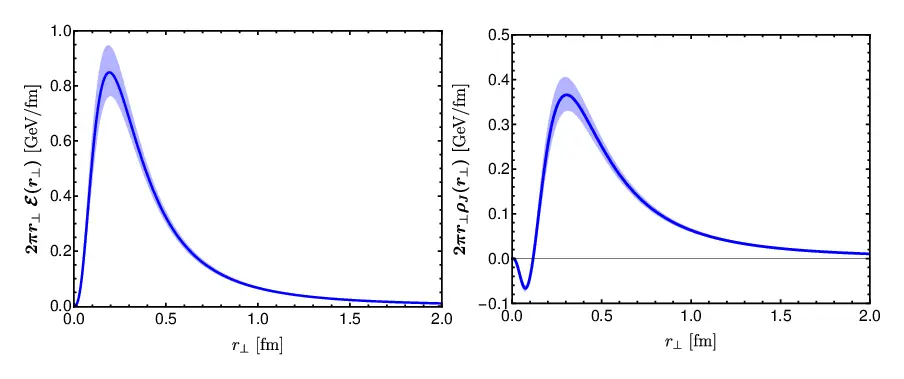
Gluon gravitational form factors of the proton in a light-front spectator model arXiv:2503.12574 -
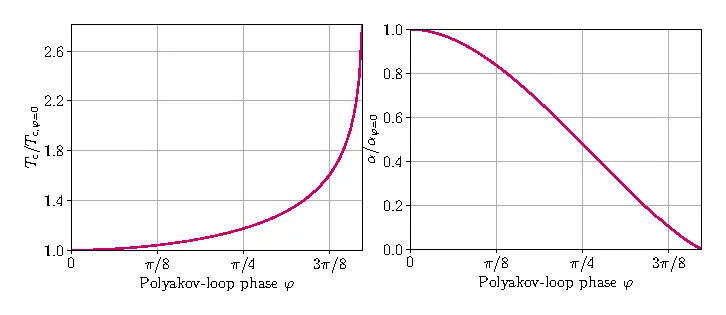
Higher-dimensional operators and Polyakov loop in hot Scalar QED from the heat kernel arXiv:2606.09779 -
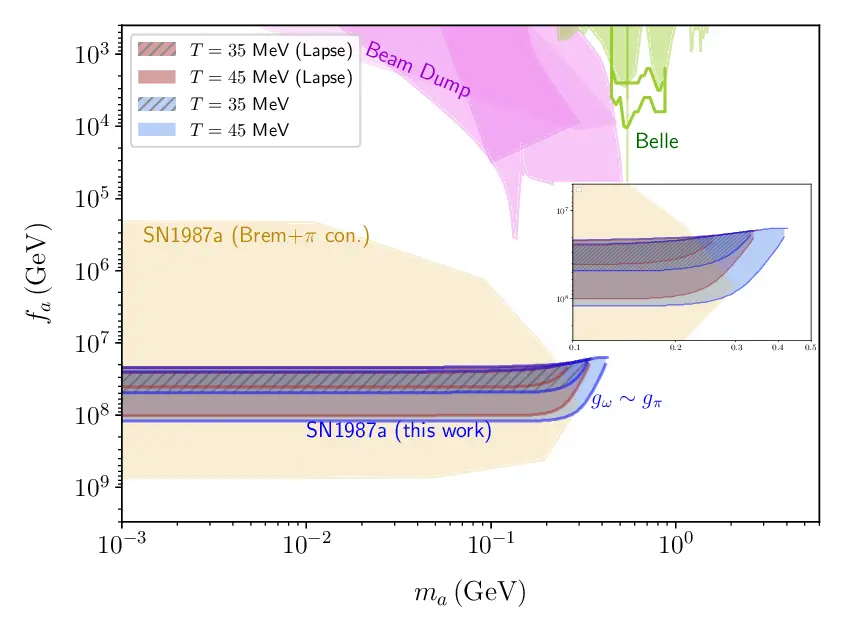
Photoproduction of heavy QCD axions in supernovae arXiv:2403.12169 -
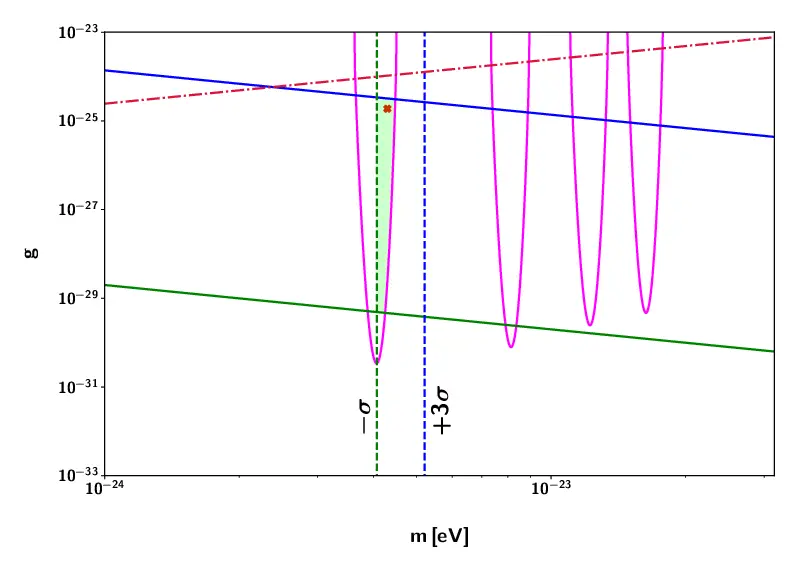
Ultralight dark matter explanation of NANOGrav observations arXiv:2311.10148 -
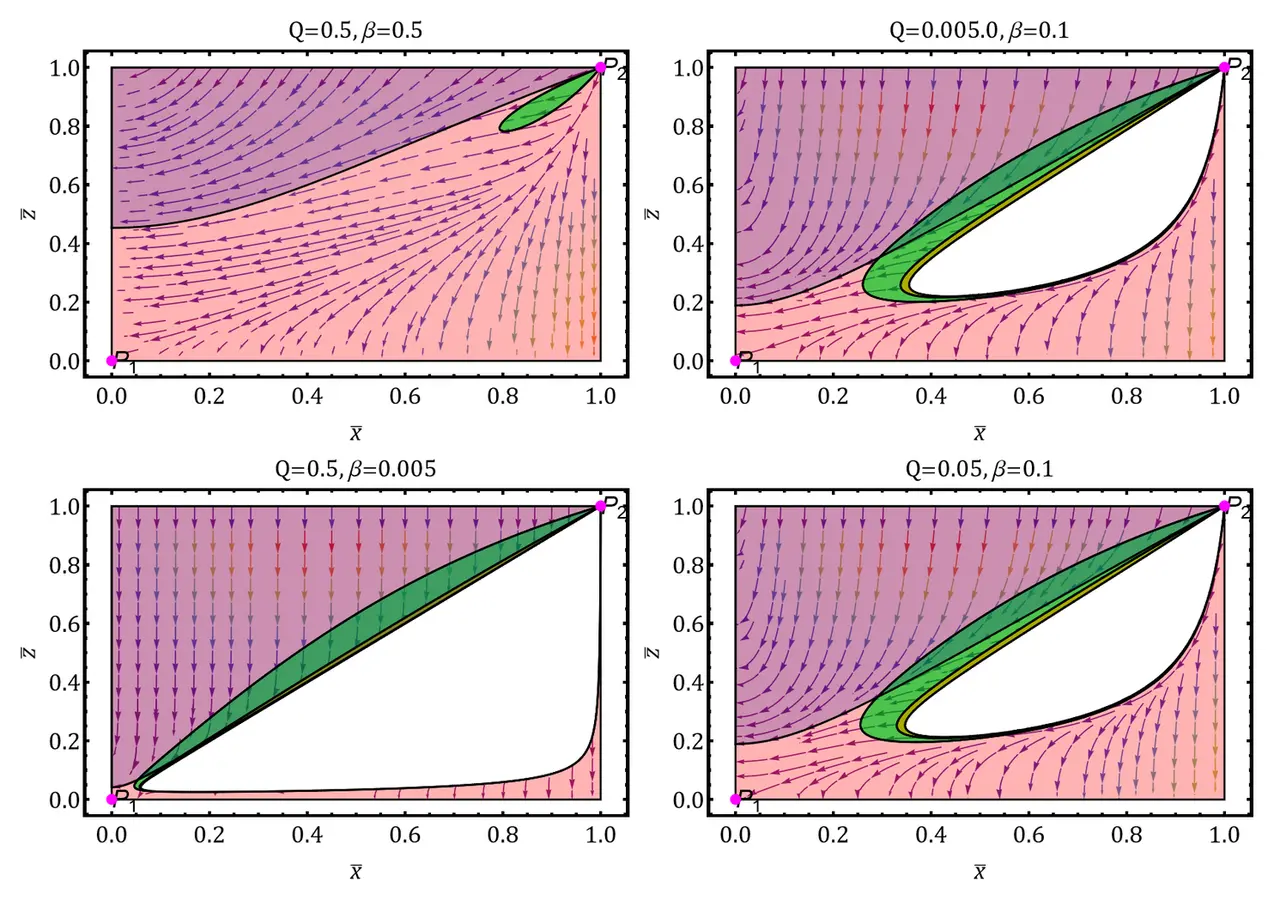
Dynamical systems approach to Cold and Warm Inflation within slow-roll and beyond arXiv:2504.10454
Faculty in this area
- Dipankar
- Debtosh
- Joydeep
- Kaushik
- Sabyasachi
Particle Experiments
We search for new particles and dark matter with the CMS experiment at the LHC, study neutrinos with ANNIE and DUNE, and build detectors in our own lab. Machine learning runs through all of it, from reconstructing and tagging events to explaining what the networks have learned. We also work on the trigger, particle-flow reconstruction and data scouting in CMS, look ahead to the HL-LHC and a future 100 TeV collider, and use a scintillator telescope in the lab to measure cosmic-ray muons.
- Dark matter & new-particle searches
- Machine learning & explainable AI
- Jet substructure & tagging
- Neutrino oscillations (DUNE)
- Neutrino interactions (ANNIE)
- Long-lived particles
- Higgs measurements at the LHC
- Trigger, reconstruction & data scouting (CMS)
- Future colliders: HL-LHC & FCC-hh
- Detectors & cosmic-ray measurements
-
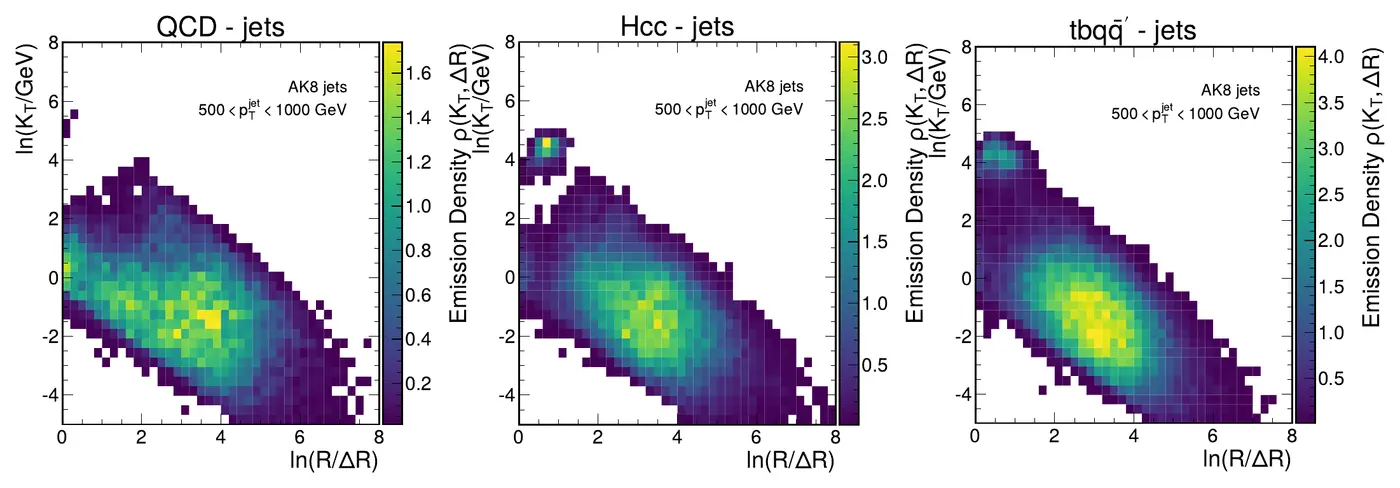
Explainable AI for Jet Tagging: A Comparative Study of GNNExplainer, GNNShap, and GradCAM for Jet Tagging in the Lund Jet Plane arXiv:2604.25885 -
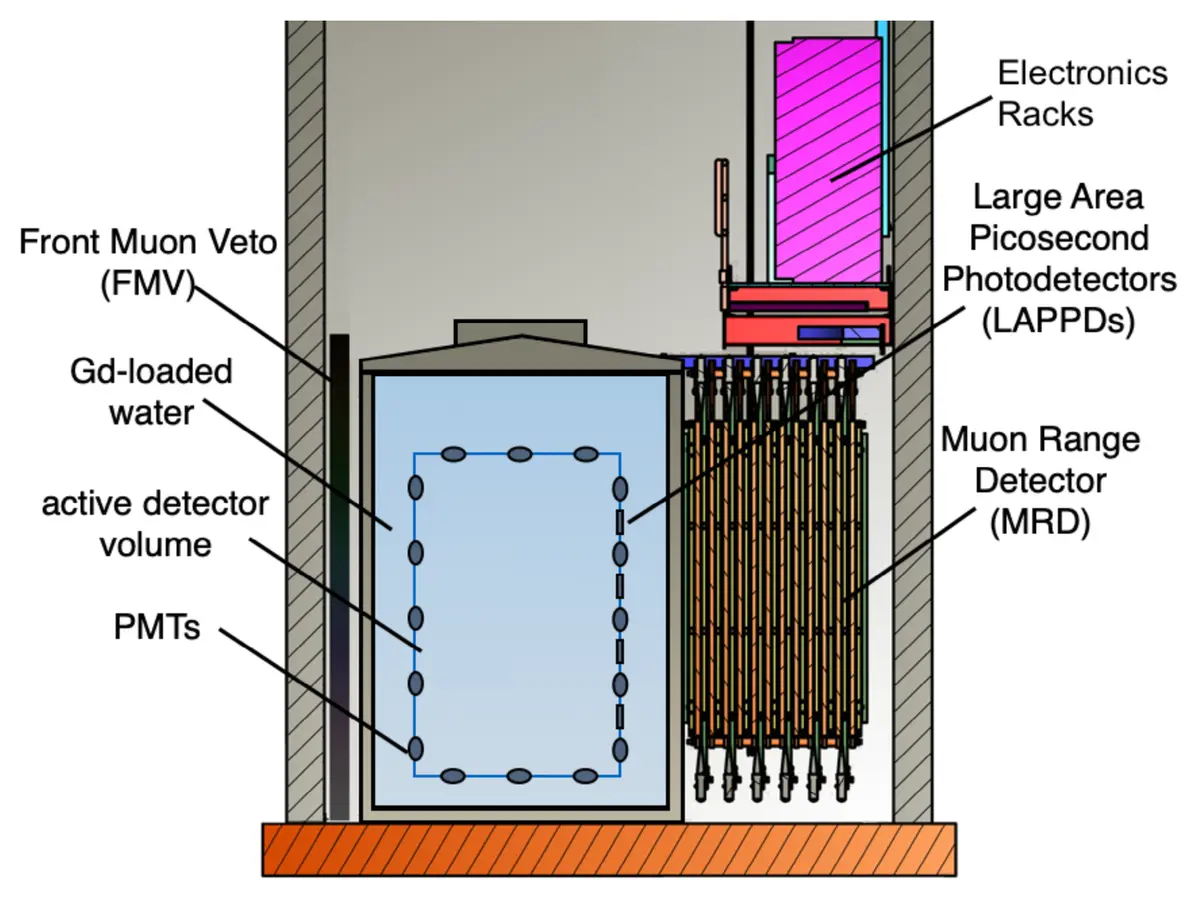
Reconstruction of neutrino events in the Accelerator Neutrino Neutron Interaction Experiment: Part I arXiv:2510.26050 -
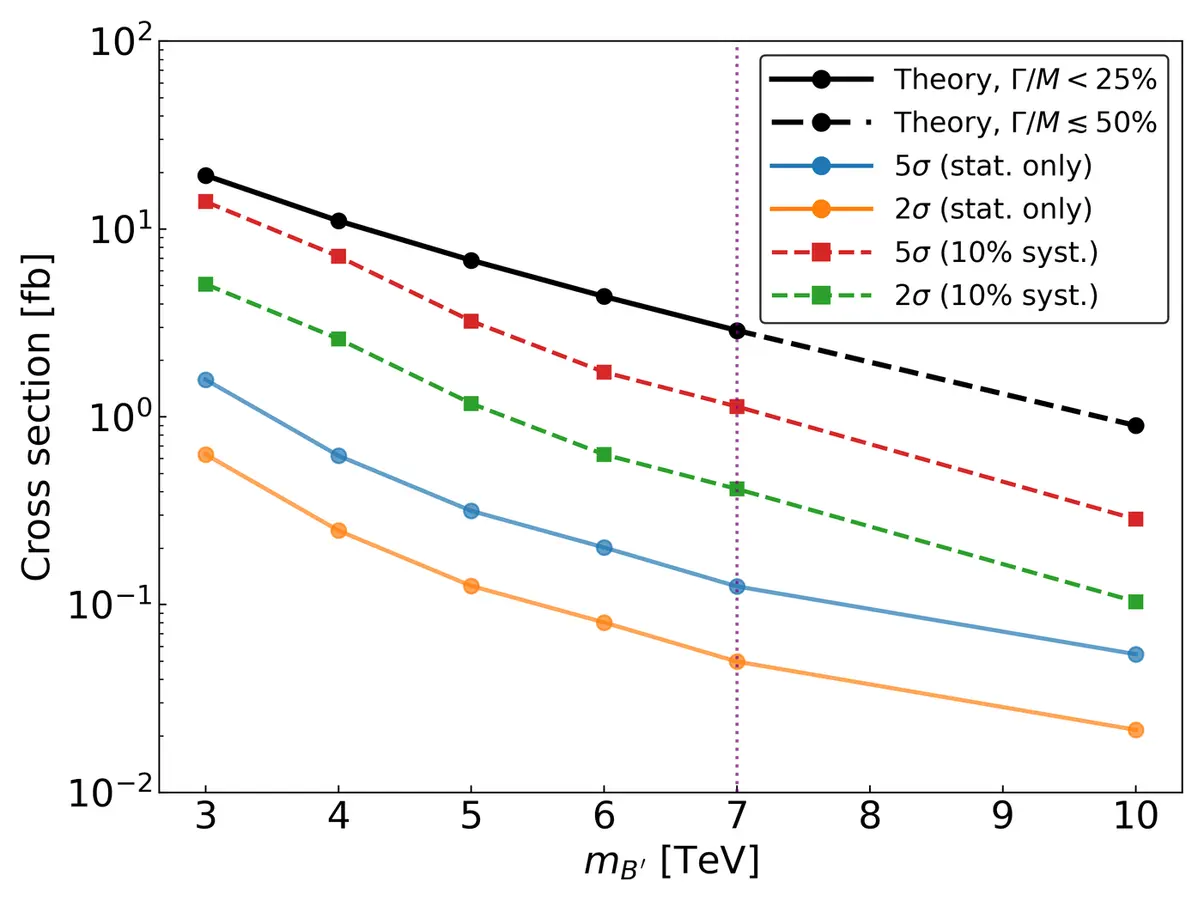
Boosted top tagging via lepton-in-jet topology for vector-like quark searches in FCC-hh arXiv:2610.05104 -
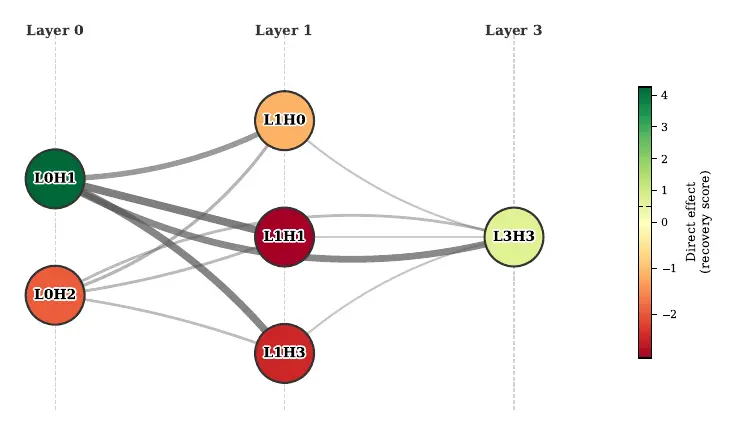
Mechanistic interpretability of a particle-based top-jet tagger arXiv:2605.09881 -
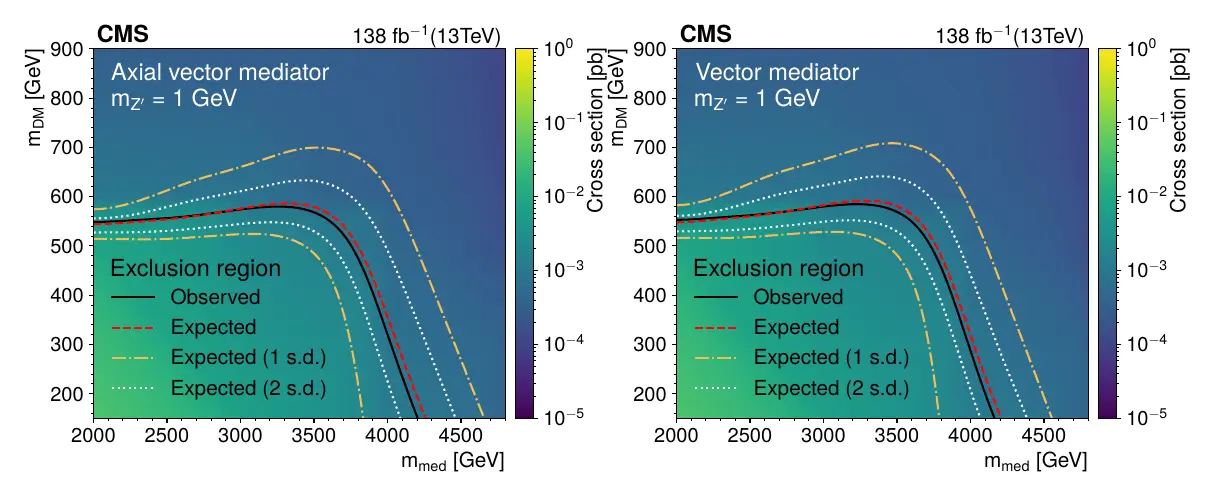
Search for dark matter produced in association with a low-multiplicity jet in proton-proton collisions at √s = 13 TeV arXiv:2610.00995 -
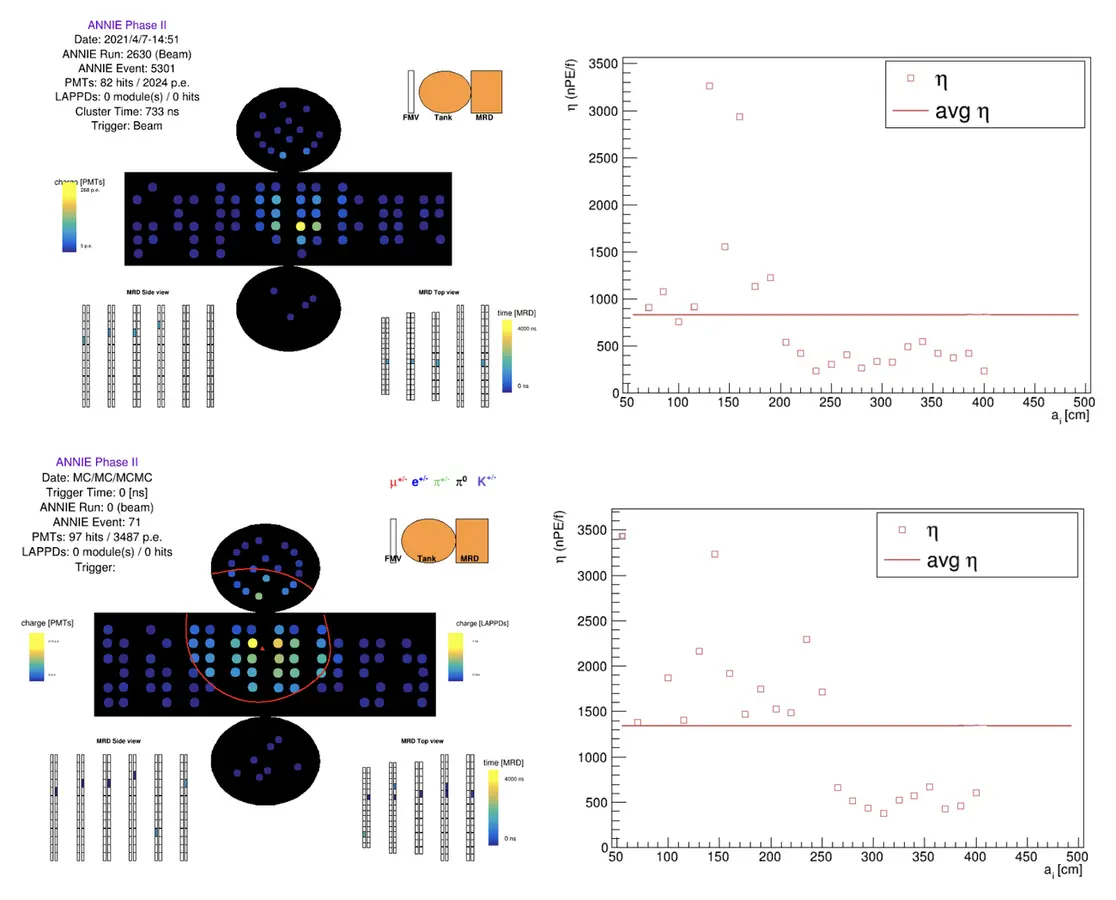
Reconstruction of neutrino events in the Accelerator Neutrino Neutron Interaction Experiment: Part I arXiv:2510.26050 -
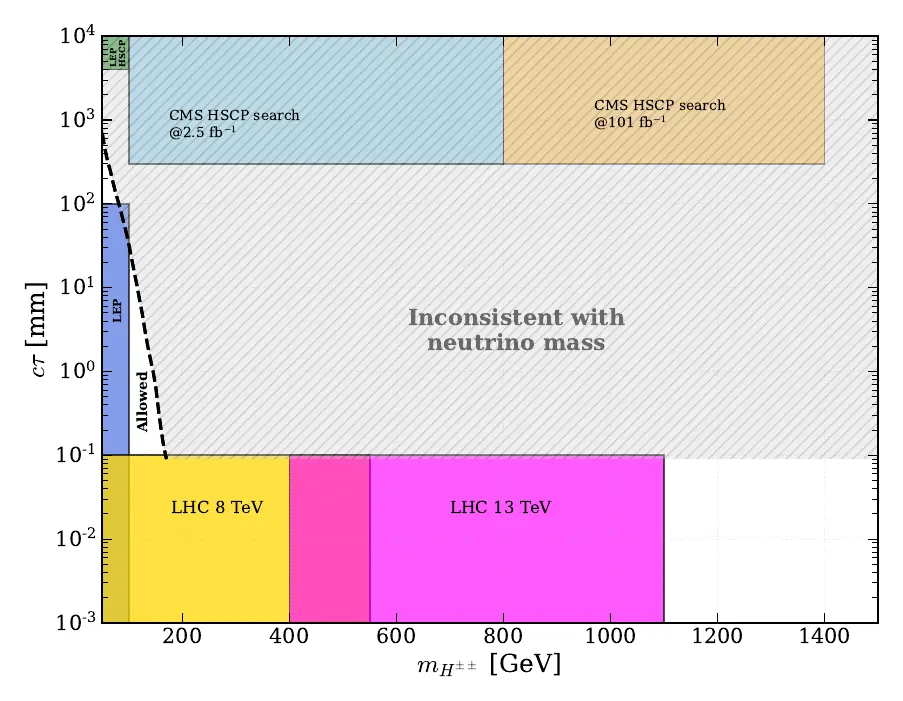
Hunting long-lived doubly charged scalars at the HL-LHC arXiv:2608.27251 -
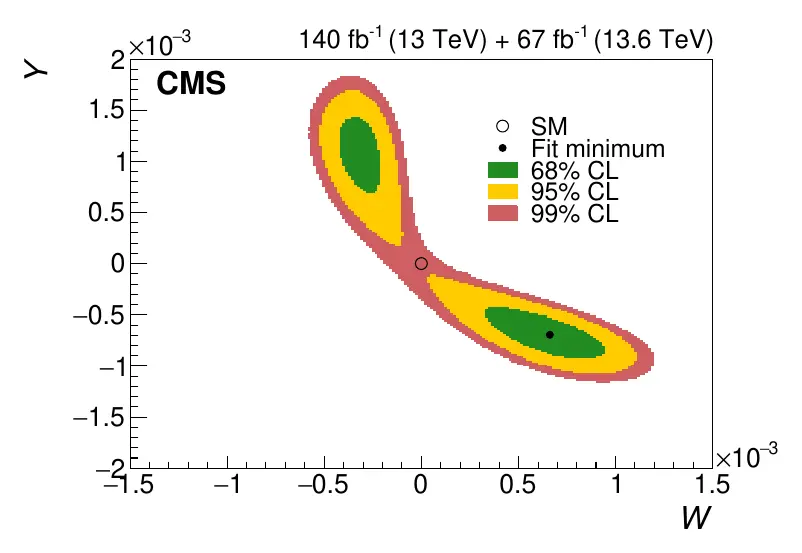
Search for Higgs boson compositeness effects in high-mass dilepton final states in proton-proton collisions at √s = 13 and 13.6 TeV arXiv:2610.04782
Faculty in this area
- Navaneeth
- Swagata
- Sanmay
Collaborating across subgroups
Several projects sit deliberately between the subgroups: black holes, compact objects and gravitational waves link string theory with particle theory and cosmology, while dark matter, new-particle and neutrino searches connect phenomenology with the CMS and DUNE experiments, and machine-learning methods are shared across collider work. Prospective students and postdocs are encouraged to talk to more than one faculty member.